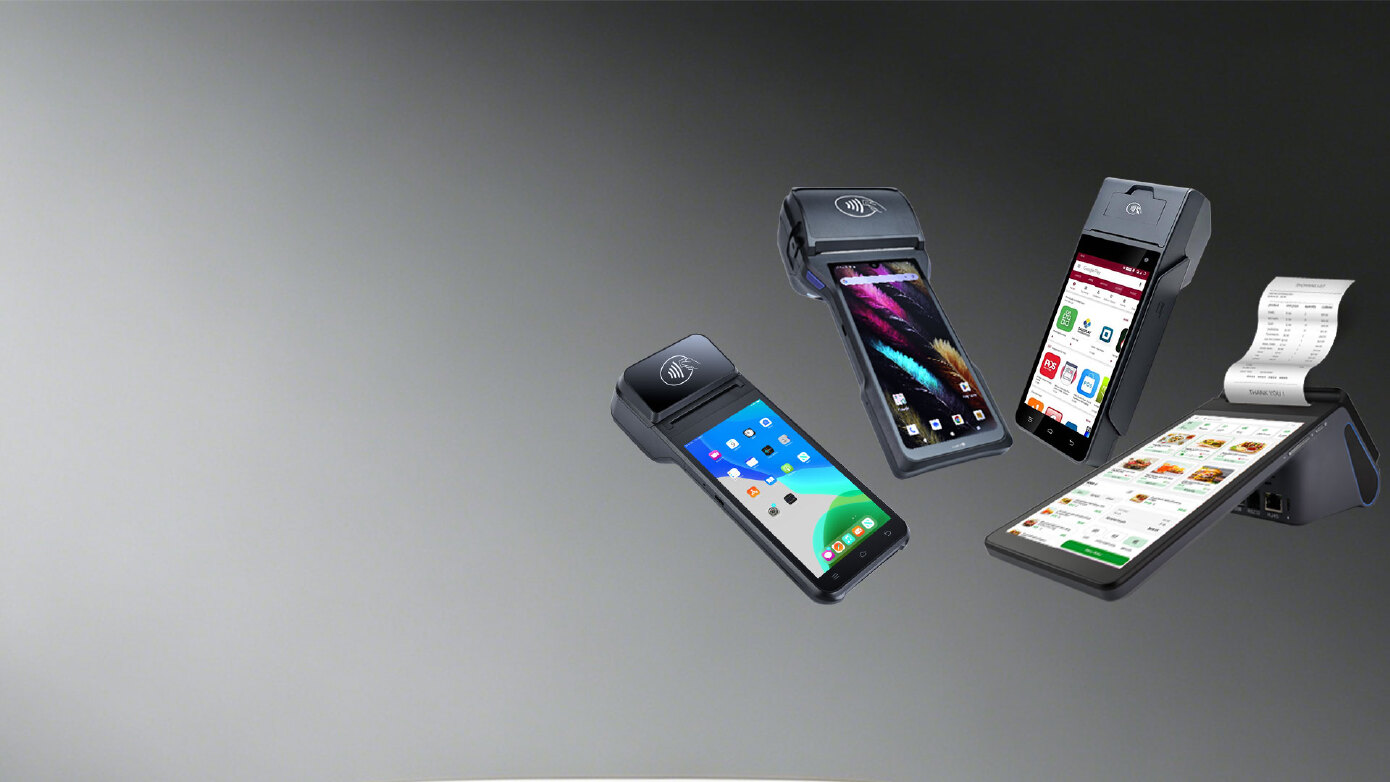
Businesses rarely operate in exactly the same way, which means their point-of-sale requirements can vary considerably. A small retailer may need a compact checkout setup, while a busy restaurant could require mobile terminals, kitchen displays, and several connected peripherals. Standard equipment may not always fit every workflow.
A POS System Manufacturer can support these differences by offering hardware configurations and product options suited to particular operational needs. Customization does not necessarily mean building every component from scratch; it can involve selecting, configuring, and integrating hardware to create a system that matches how a business operates.
Understanding Custom POS Requirements
The first step in creating a suitable POS setup is understanding the business’s workflow. Transaction volume, workspace, employee responsibilities, payment methods, and software requirements can all influence hardware decisions.
For example, a retailer with several checkout counters may prioritize standardized terminals and barcode scanners. A restaurant may place greater importance on handheld ordering devices and equipment that communicates with the kitchen.
Flexible Hardware Configurations
A manufacturer with a broad hardware portfolio can provide different options for businesses with different needs. Terminals may vary in size, processing capabilities, mounting options, and connectivity.
Businesses can select the combination of equipment that fits their environment instead of purchasing a configuration with unnecessary features.
Common components may include:
- Touchscreen POS terminals
- Barcode scanners
- Receipt printers
- Cash drawers
- Customer displays
- Payment terminals
- Mobile POS devices
- Kitchen printers or displays
The appropriate combination depends on the business’s operational priorities.
Adapting to Different Industries
Customization is particularly useful when businesses operate in industries with specialized workflows. Retail, restaurants, hospitality, healthcare services, and other sectors may require different hardware arrangements.
A restaurant, for example, may need equipment positioned across the front counter and kitchen, whereas a retail store may concentrate most POS hardware around checkout areas. Understanding these differences can help create a more practical installation.
Supporting Existing Software
Businesses often already have POS software in place when they begin upgrading their hardware. Replacing software at the same time may be unnecessary or disruptive.
Compatible hardware can allow businesses to modernize individual components while retaining suitable software. Manufacturers and technology providers can help identify equipment that works with the platforms already being used.
Payment Requirements
Payment processing is another area where business requirements differ. Some companies may primarily process traditional card payments, while others need support for contactless transactions, mobile wallets, or multiple payment methods.
Hardware should be selected according to the payment solutions the business uses. Proper integration helps ensure that payment devices work smoothly with the rest of the POS environment.
Designing for Available Space
Physical workspace can influence POS hardware choices. A crowded checkout counter may benefit from compact equipment, while a larger service area may accommodate multiple displays or peripherals.
Businesses should consider the placement of terminals, printers, scanners, and payment devices before finalizing a configuration. Thoughtful placement can improve employee movement and make the checkout experience more convenient for customers.
Supporting Mobile Workflows
Some businesses require employees to process transactions away from a fixed counter. Restaurants may use handheld devices for table-side ordering, while retailers may use mobile terminals to assist customers throughout a store.
Portable hardware can provide greater flexibility, but wireless connectivity, battery life, durability, and software compatibility should all be considered when designing the system.
Scaling With Business Growth
Custom requirements can change as a company expands. Additional checkout stations, employees, products, services, or locations may create new hardware needs.
A scalable POS configuration allows businesses to add compatible equipment over time. This can reduce the need for a complete system replacement when operational requirements increase.
Integrating Multiple Devices
A customized POS environment may contain several types of equipment that need to communicate with one another. Successful integration depends on compatible hardware, software, drivers, and connection standards.
Before purchasing, businesses should verify how each component will interact with the rest of the system. This can help prevent problems during installation and daily use.
Considering Durability
Customization should also account for the environment where the equipment will be used. High-volume retail counters and busy restaurant environments can place significant demands on POS hardware.
Businesses should consider construction quality, expected usage, handling frequency, and environmental conditions. Selecting equipment appropriate for the operating environment can help support reliable long-term performance.
Balancing Customization and Cost
A customized POS setup does not have to include every available feature. Businesses should focus on functions that provide practical value and support their actual workflow.
Prioritizing essential hardware can help control costs while avoiding unnecessary complexity. The total cost should also account for installation, maintenance, support, and future upgrades.
Planning Future Upgrades
A good POS configuration should allow room for technological changes. Businesses may eventually introduce new payment methods, updated software, additional peripherals, or cloud-based applications.
When selecting hardware, consider whether the equipment can support likely future requirements. Flexible configurations can make future upgrades more straightforward.
Questions to Ask About Custom Solutions
Businesses considering a tailored POS setup should ask potential manufacturers or technology providers several practical questions:
- Which hardware components can be configured for our workflow?
- Is the equipment compatible with our existing POS software?
- Can additional devices be added later?
- What payment technologies are supported?
- What connectivity options are available?
- What installation and technical support are provided?
- How are repairs and replacements handled?
Clear answers can help businesses determine whether a proposed solution is genuinely suitable for their requirements.
Final Thoughts
Custom POS requirements are often driven by the way a business operates rather than by a desire for unnecessary technology. The right hardware configuration can improve workflow, support employees, accommodate payment needs, and make future expansion easier.
By considering software compatibility, hardware flexibility, industry requirements, workspace, connectivity, scalability, durability, and cost, businesses can build a POS environment around their actual needs. A manufacturer capable of supporting these considerations can make the process of selecting and implementing customized POS hardware more manageable.